CLA News / Africa Legal Forum Session 8B: Children’s Rights, Identity and Family Law: Crossing Borders, Protecting Futures

Who is a child’s legal parent? What happens when nationality, identity and family relationships cross borders? And who protects a child when the law falls behind changing family realities?
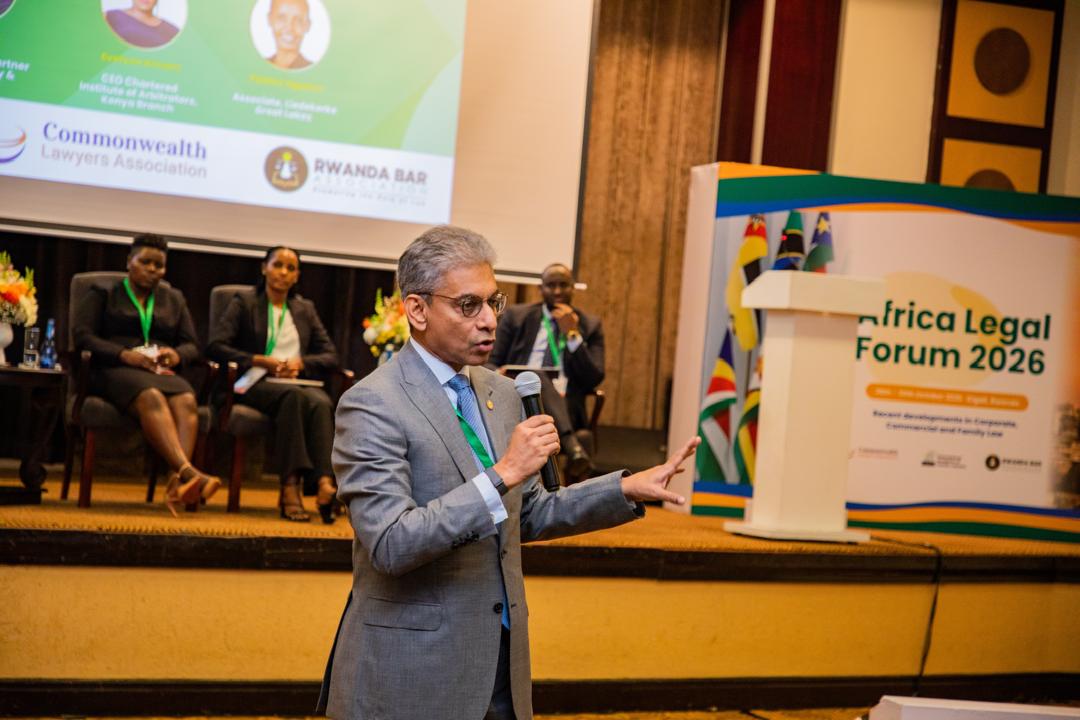
These questions shaped a wide-ranging panel discussion at the Africa Legal Forum, bringing together legal practitioners from Uganda, Kenya, the UK and Rwanda to examine some of the most complex challenges in modern family law.
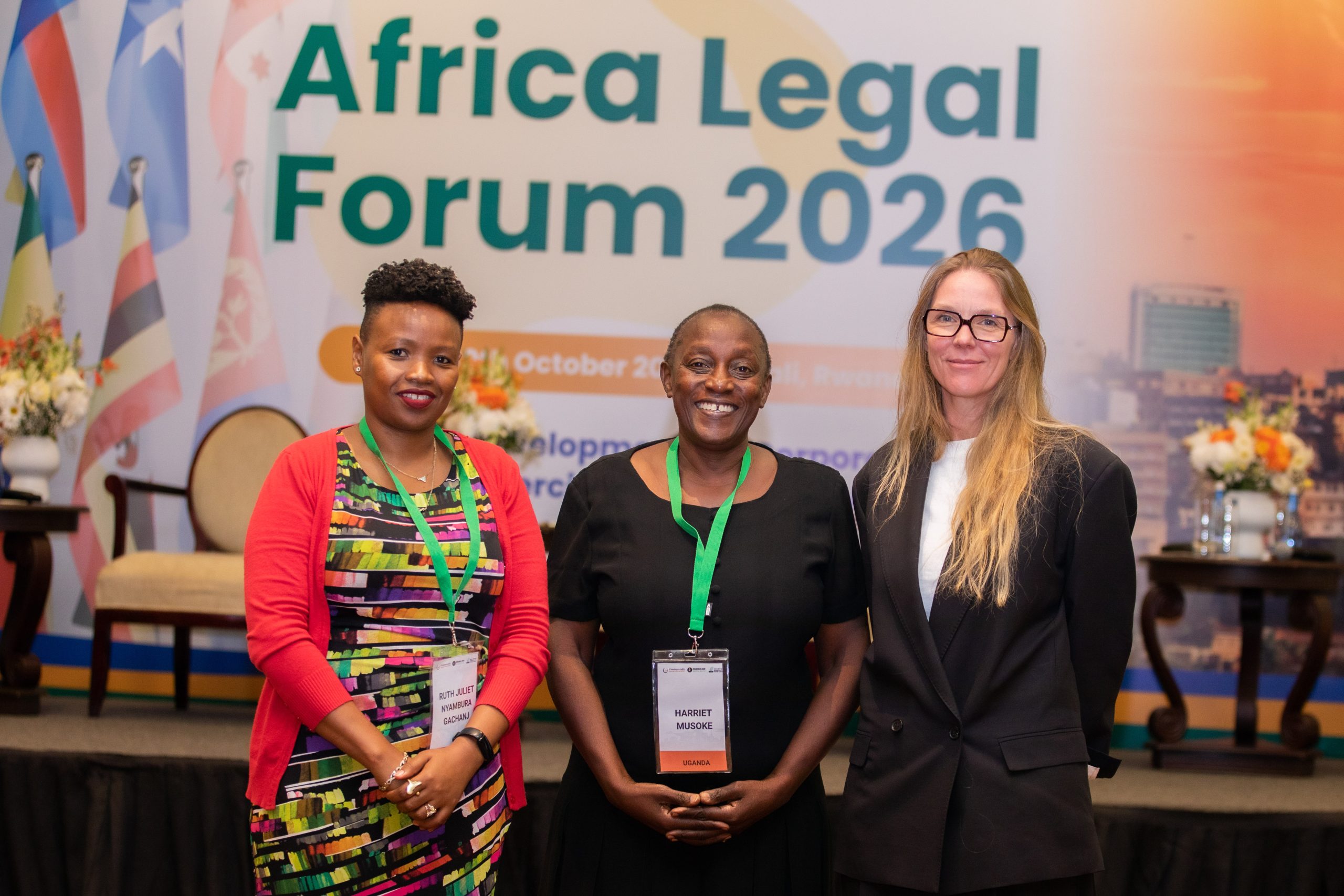
With contributions from Dr Harriet Musoke (Uganda), Jemma Dally (England and Wales) and moderated by Juliet Nymabura, alongside Rwandan perspectives, the discussion explored children’s legal identity, parentage, surrogacy and intercountry adoption.
The right to identity cannot stop at borders
A particularly powerful case concerned a Chinese worker in Uganda who died, leaving five children with a Ugandan mother. The children had no recognised paternal lineage and faced uncertainty over their nationality and legal identity. They were described as “the Chinese who have nowhere to go”.
Similar challenges arise when foreign workers or refugees father children in host countries and subsequently leave, leaving mothers and children without documentation or a clear route to establish parentage.
The panellists emphasised that the UN Convention on the Rights of the Child, the International Covenant on Civil and Political Rights and the African Charter all place obligations on states to protect children’s rights to legal identity.
The fundamental question remains: are these children nationals of their mother’s country, foreign nationals or at risk of statelessness?
The discussion highlighted the importance of proper documentation and the need for governments to ensure that children do not become invisible simply because a parent failed to record their existence.
DNA evidence opening doors to identity and justice
A striking example of cross-border legal intervention came from Kenya, where a project is helping children fathered by British Army soldiers stationed in the country since 1962 establish their parentage.
DNA samples collected in 2024 from individuals ranging in age from 18 months to 70 years were matched against ancestry databases to identify paternal family connections. Disclosure orders were then sought against the UK Ministry of Defence and relevant government departments.
Where matches were established, applications were made to the courts of England and Wales for declarations of parentage.
These declarations can establish legal identity and lineage, potentially opening the way to British birth registration, nationality, passports, maintenance claims for minors and inheritance rights. Applications can also be made after a father’s death.
Importantly, the panellists explained that English and Welsh law allows applications from individuals with a sufficient connection to the parent, even if they have never visited England. Many cases were resolved by consent once DNA evidence established paternity.
Thousands of potentially eligible children may still be unaware that this legal route exists.
The lesson was clear: legal identity is not simply a matter of paperwork. It can determine nationality, belonging, financial security and a child’s future.
Surrogacy: The law is struggling to keep pace
Surrogacy exposed some of the sharpest differences between national legal frameworks.
Uganda currently has no comprehensive surrogacy legislation. Proposed assisted reproductive technology reforms have not been prioritised, leaving fertility clinics operating without a clear regulatory framework. Cultural and religious sensitivities add further complexity.
Rwanda has legalised surrogacy following a Supreme Court decision, although the practice remains relatively limited and concerns have emerged over poor practices.
The UK, by contrast, has regulated surrogacy for more than 40 years. However, under its legal framework, the woman who gives birth is the legal mother at birth. Parenthood cannot simply be transferred through a foreign agreement; a UK court order is required.
The absence of an internationally recognised framework creates serious cross-border complications. A surrogate may, for example, be asked to terminate a pregnancy following a diagnosis of a fetal condition but refuse, raising difficult questions about parental authority and the rights of all involved.
Case studies brought these issues into sharp focus. One Ugandan example involved a sperm donor, a Kenyan surrogate and intended parents who subsequently faced a dispute over the child’s burial rights and paternal recognition after the child died from leukaemia. Another UK case involved a surrogate who falsely told intended parents that she had miscarried and raised the child for two years before the intended parents eventually secured an adoption.
The panellists also raised serious concerns about vulnerable girls from Karamoja being trafficked to Kampala for egg harvesting and informal surrogacy arrangements without adequate legal protection.
At the heart of the debate was a fundamental question: who is the legal parent when conception involves a sperm donor, an egg donor and a gestational surrogate?
The panel called for clearer legal definitions of parenthood, stronger regulation and safeguards for children’s identity and inheritance rights.
Intercountry adoption: Protecting children without closing doors
The discussion also examined the increasingly complex landscape of intercountry adoption.
Uganda has introduced stricter safeguards following cases in which children were adopted and subsequently exploited, including for organ trafficking. Measures include mandatory 12-month fostering in-country, specialist judicial oversight, vetting by the National Council of Children and annual reporting requirements.
Kenya’s ban on intercountry adoption has faced constitutional challenges, including arguments concerning children’s welfare and best interests. The panel also considered the potential of open adoption as a model that maintains appropriate connections with a child’s birth family.
For UK-based adoptive parents, further complications arise from changes to recognition rules introduced in 2014. Adoptions from Hague Convention countries are generally recognised, but adoptions from non-Hague Commonwealth countries are not automatically recognised.
This can leave children adopted in African countries facing significant obstacles to joining their adoptive families in the UK. A potentially landmark case before the President of the Family Division may determine whether children’s welfare should be given greater weight when recognising foreign adoptions.
The panel also raised the need for greater clarity around kafala, a form of alternative care recognised under the Convention on the Rights of the Child in some jurisdictions, particularly in relation to UK immigration and entry requirements.
A call for lawyers to do more
The discussion concluded with a powerful reminder that children’s identity and parentage are not merely private family matters. They are legal issues requiring informed intervention, effective cross-border cooperation and accountability.
The panellists called on lawyers to:
- Raise awareness among vulnerable communities about legal routes to establish parentage and identity.
- Strengthen collaboration between jurisdictions and work towards more consistent legal frameworks.
- Ensure fertility clinics and surrogacy providers consider whether arrangements will be recognised in the intended parents’ home countries.
- Engage governments, courts and communities to protect children’s rights.
- Hold states accountable for their responsibility to protect children when birth parents cannot provide adequate care.
A child’s right to identity should never depend on the nationality of a parent, the circumstances of their conception or the borders within which they were born. The challenge for the legal profession is to ensure that the law protects every child, wherever their story begins.