CLA News / Standing Together Across Africa and the Commonwealth: Turning Solidarity into Rule of Law Action by Steven Thiru, President, Commonwealth Lawyers Association

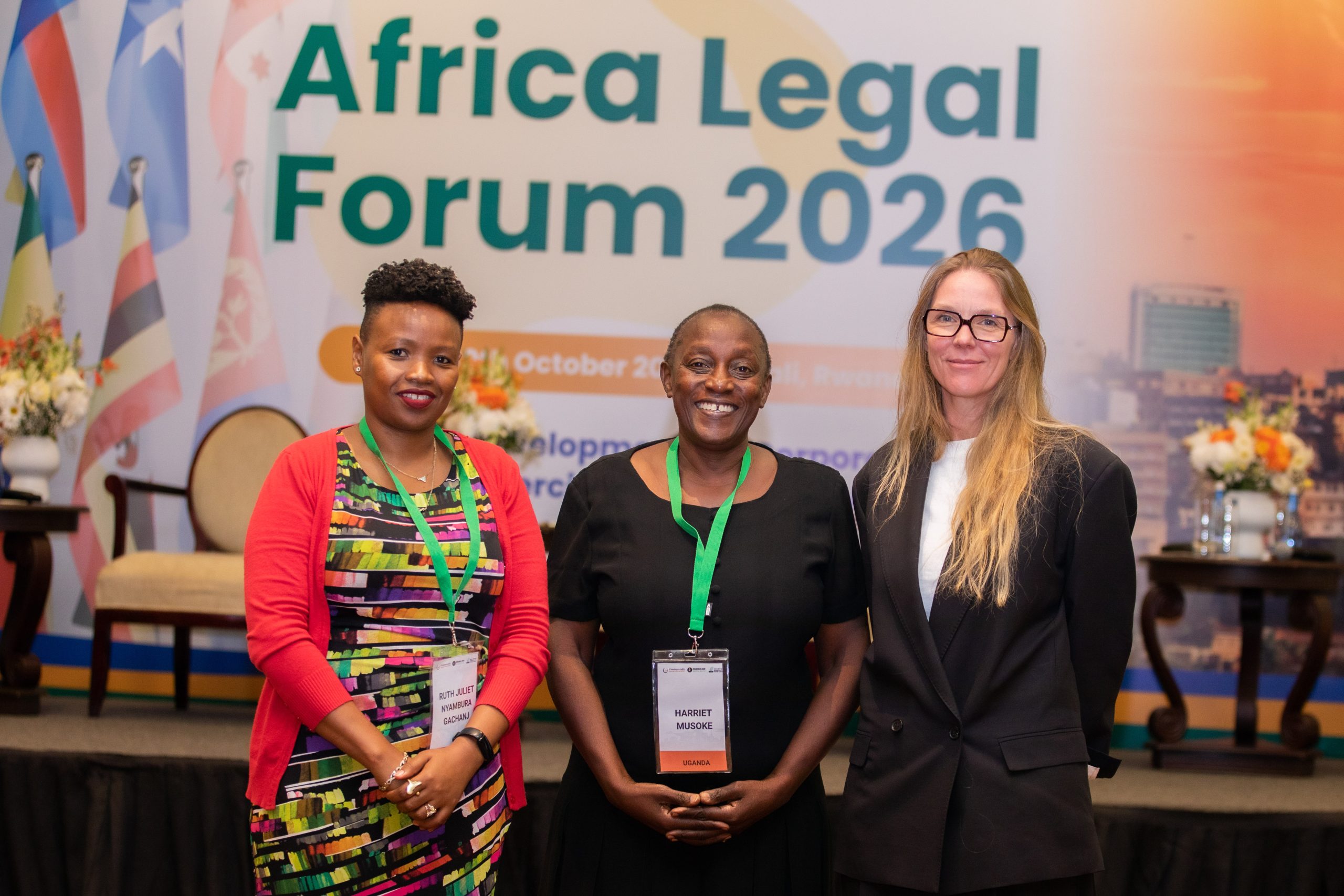
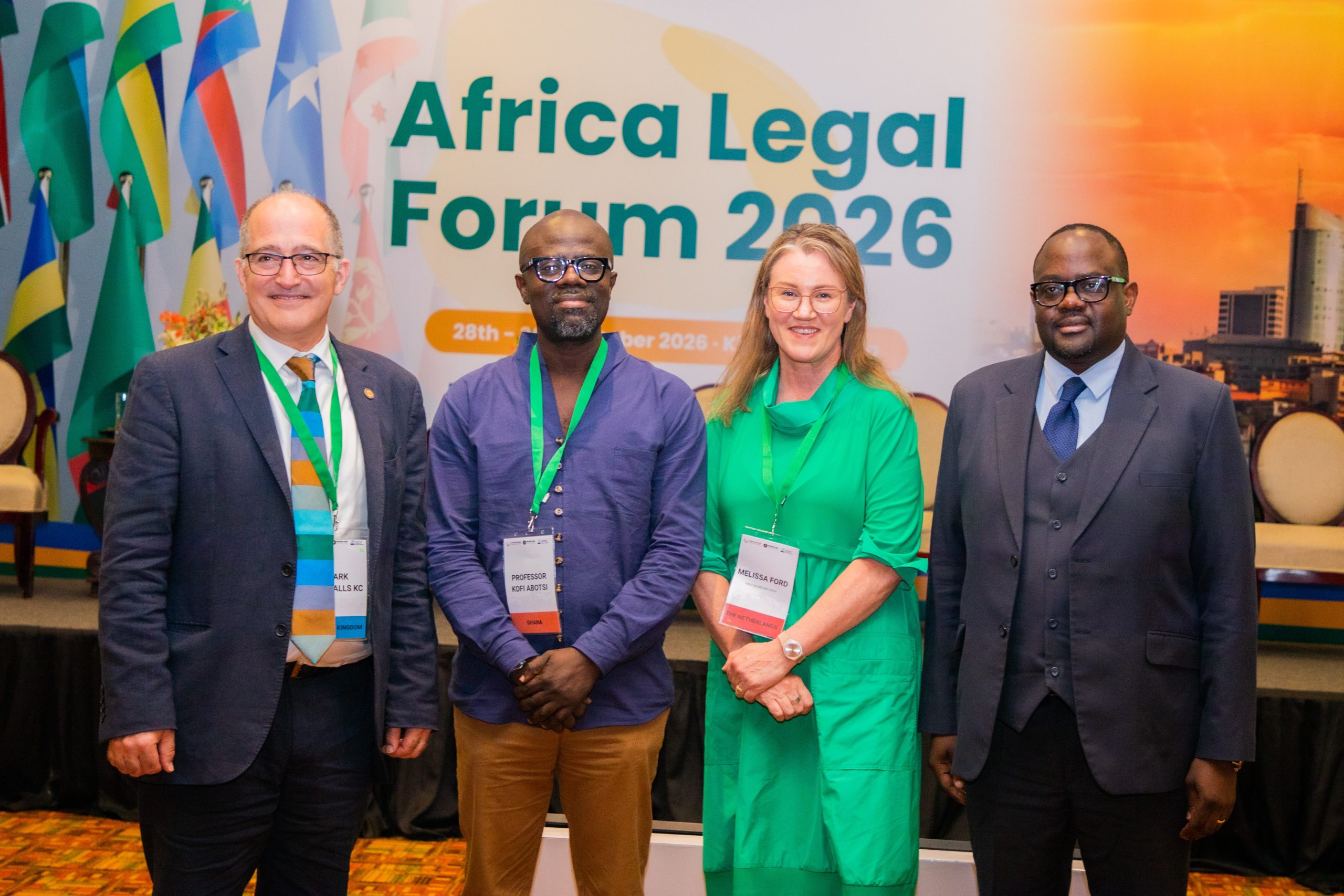
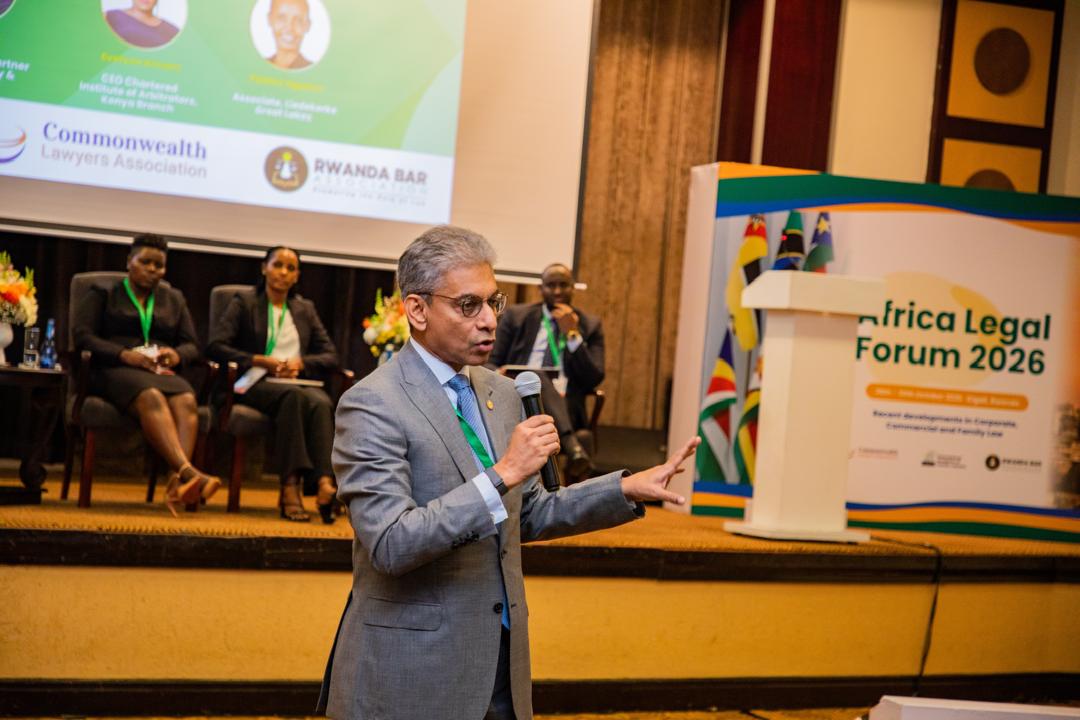
This article is an expanded version of the opening remarks delivered by CLA President Steven Thiru on 28 October 2026 at the Africa Legal Forum 2026, which was held from 28 to 30 October 2026 in Kigali, Rwanda.
Honourable Minister of Justice and Attorney General of Rwanda, Dr Emmanuel Ugirashebuja,
Distinguished members of the Judiciary,
President of the Rwanda Bar Association, Mr Moïse Nkundabarashi,
Fellow CLA Council members, Presidents of Bar associations and law societies,
Ladies and gentlemen,
A very good evening, and murakaza neza. Welcome to the Africa Legal Forum 2026.
This is the CLA’s Conference for Africa and for our colleagues across the continent, whose support over the years for the CLA is very much appreciated.
I thank the International Academy of Family Lawyers and the Rwanda Bar Association for collaborating with the CLA in putting together this event.
Our gathering here in Kigali today is also in recognition of the two impressive bids by Rwanda to host our flagship event, the Commonwealth Law Conference. While we were unable to accept those bids, it was certainly not because Rwanda was undeserving. The CLA appreciates your tremendous efforts, and we encourage you to bid again for the CLC 2031.
The Convergence of Corporate, Commercial, and Family Law
Ladies and gentlemen,
At the heart of our discourse over the next three days lies a recognition that the boundaries between distinct areas of legal practice are rapidly diminishing, a reality directly reflected in our central theme: ‘Recent Developments in Corporate, Commercial and Family Law’.
In an increasingly globalised and digital world, corporate transactions and private wealth structures no longer operate in isolation; they are deeply intertwined with cross-border realities.
Advancements in digital economies, market entry strategies, and regional dispute resolution frameworks require commercial lawyers to remain agile. These business realities are matched by evolving complexities in private client needs, from intergenerational wealth transfers to the challenges of enforcing matrimonial decisions across international borders.
By examining these parallel developments, this Forum will address the critical convergence of family structures and business enterprises, equipping us to navigate the technological and legal disruptions transforming both commercial markets and private lives across the Commonwealth.
Earlier today, the Forum commenced with two key institutional dialogues. Through the NextGen Lawyers Forum, we invested directly in our early-career advocates. In parallel, the Bar Leaders’ Roundtable brought together the heads of bar associations and law societies from across Africa to address regulatory harmonisation, institutional resilience, and our collective, unwavering duty to defend the independence of the legal profession and the rule of law.
The coming days of the Forum promise a focus on specialised areas of practice and the most pressing realities of the legal landscape in Africa. Tomorrow, the corporate and commercial law stream will delve into regional integration, market entry, and the complexities of international trade. In parallel, in partnership with the International Academy of Family Lawyers, we will explore cross-border estate planning and the preservation of wealth across multiple jurisdictions.
Our discussions on 30 October will continue this trajectory by addressing the legal risks inherent in today’s digital world. The corporate and commercial law sessions will examine the management of high-stakes legal risks in major infrastructure, energy, and extractive-industry projects, alongside the shifting regulatory tides of data privacy and the deployment of artificial intelligence. At the same time, our family law experts will take up the legal and practical hurdles in enforcing foreign matrimonial and child custody decisions across national borders.
An exceptional range of discussions awaits us, offering a valuable opportunity to shape the future of our profession in the region.
Standing with Africa
Ladies and gentlemen,
The spirit of active international solidarity and unstinting support must be at the forefront of CLA’s mandate. We must stand resolutely with our institutional members, and back them on matters concerning the legal profession and the rule of law. We cannot afford to remain silent when the independence of the Bench or the Bar comes under pressure.
On this note, through our public pronouncements the CLA has stood firmly alongside Africa in the face of serious violations of the rule of law and attacks against the independence of the legal profession.
Just last week, on 21 October 2026, we issued a statement expressing disquiet over escalating threats to the independence of the legal profession in Tanzania. We spoke out strongly against the disciplinary proceedings initiated against the President of the Tanganyika Law Society, Advocate Boniface Mwabukusi, which carry the potential sanction of permanent disbarment simply for communicating the Society’s position regarding the prosecution of opposition leader and former Law Society President Tundu Lissu.
The CLA categorically rejects and will unreservedly condemn any attempt to penalise Bar leaders for carrying out their professional and societal responsibilities by speaking on matters of public interest. Such conduct is a deplorable assault on the independence of the Bar. We called on the Tanzanian authorities to immediately withdraw the disciplinary proceedings against President Mwabukusi and to respect the Tanganyika Law Society’s independence and its right to operate without fear of executive interference or retaliatory sanctions.
In early September, the CLA issued a statement on the deeply troubling post-election situation and alleged electoral improprieties in Zambia. We voiced our deep concern about the deployment of military personnel to take control of tallying centres in Mufulira and the serious procedural irregularities in the counting of ballots. We also expressed alarm at the fatal shooting of former Cabinet Minister Mutotwe Kafwaya by law enforcement officers.
These developments were compounded by the reported sealing and cordoning off of the Constitutional Court, the Supreme Court, and local courts by heavily armed police on the final day for filing presidential election petitions. There were also reports that lawyers seeking to file such petitions had to flee Zambia out of fear for their personal safety.
In our statement, the CLA called for a prompt, independent, and transparent investigation into the fatal shooting of Mutotwe Kafwaya, as well as an independent inquiry into the physical closure of the courts and the removal of constitutional judges. The CLA also stated our willingness to collaborate with the Law Association of Zambia to assist the local judiciary and lawyers, and to coordinate independent monitoring of the election petitions alongside other Commonwealth legal organisations.
The CLA also spoke out on 5 August 2026 regarding judicial independence in The Gambia. The Gambia Bar Association had commenced proceedings at the Supreme Court challenging the appointment of Mr Edi M.O. Faal as Chief Justice. The Bar Association was seeking a determination of whether the appointment met the requirements prescribed by the Constitution. The CLA endorsed the Gambia Bar Association’s action. We will continue to follow the case with interest, and we are prepared to participate in the matter either on a watching brief or as amicus curiae.
These are just a handful of deeply troubling developments in Africa over the past 18 months, in response to which the CLA has stood shoulder to shoulder with our colleagues and partners across the continent. The profound significance of this shared resolve was reflected in a letter to the CLA by Her Ladyship Justice Gertrude A.E.S. Torkornoo, the former Chief Justice of Ghana. I quote:
In my meeting with the Council of the Commonwealth Lawyers Association, I was deeply encouraged by the expressions of concern that came from different jurisdictions, reflecting the understanding that protection of judicial independence is not a personal matter for a Judge under attack, but a collective responsibility for those to who the sacred trust of justice delivery has been given. This is because judicial independence is a fundamental pillar of constitutional democracy that the peace of nations is anchored on.
Her Ladyship had been suspended in April 2025 by President John Dramani Mahama following petitions alleging misconduct — a move widely criticised as a politically motivated attack on judicial independence — that culminated in her eventual dismissal in September 2025.
The CLA had issued a statement in support of the Ghana Bar Association. Additionally, in partnership with the Bar Council of England and Wales, we issued a statement condemning the lack of procedural fairness, calling for her immediate reinstatement, and urging the Ghanaian authorities to respect the Commonwealth (Latimer House) Principles on the Three Branches of Government, regarding the separation of powers. I visited Ghana as President of CLA on 26 August 2025 to address the Ghana Bar Association, which was strongly advocating for judicial independence.
These examples reflect a fundamental principle: the protection of the independence of the judiciary and the legal profession is not the responsibility of one jurisdiction alone. It is a shared responsibility, and the CLA must continue to act in solidarity with those who defend it.
Rule of Law in Action
While our public statements remain an indispensable part of our advocacy consistent with our objectives, increasingly they alone will not suffice. Our interventions must extend beyond mere words, through what I would call a ‘Rule of Law in Action’ initiative — tailored to the exigencies of the challenges and, where necessary, involving ‘boots on the ground’. This means engagement, consultation, advice, and a whole array of other practical measures drawing on our distinctive training, skills, and experience as lawyers and as international legal organisations.
There is no one-size-fits-all solution or textbook method. Rather, we must adopt flexible approaches to attain outcomes that advance the rule of law and strengthen the independence of the legal profession across the Commonwealth.
Examples from Africa and the wider Commonwealth illustrate forward-thinking measures by bar associations and law societies that align with this ‘Rule of Law in Action’ initiative.
- Strategic litigation and urgent habeas corpus interventions
Our colleagues at the Law Society of Kenya (‘LSK’), in response to enforced disappearances, arbitrary detentions, and state abductions of civic activists, established an institutionalised Strategic Litigation and Habeas Corpus Project. The Law Society mobilised advocates to prepare certificates of urgency, file habeas corpus applications, and represent victims of unlawful arrests.
2. Promoting structural accountability
The Nigerian Bar Association (‘NBA’), through its Section on Public Interest and Development Law (‘NBA-SPIDEL’), has repeatedly shown how public interest litigation can promote institutional accountability. The NBA brought proceedings against the Police Service Commission and secured a landmark judgment compelling the deployment of qualified legal officers to every police division to monitor and ensure human rights compliance at the grassroots level.
3. Access to justice through legal aid schemes
The Malaysian Bar has long pioneered pro bono work through its self-funded Legal Aid Scheme, established in 1980, well before the introduction of the state-funded National Legal Aid Foundation (Yayasan Bantuan Guaman Kebangsaan, ‘YBGK’) in 2012. Funded through an annual levy on practising members of the Bar, the scheme supports Legal Aid Centres, while a resolution by members requires the lawyers to undertake legal aid work. This entirely self-sufficient infrastructure has mobilised thousands of volunteer lawyers and pupils in chambers, proving that a dedicated, independent bar does not wait for state resources to bridge the gap between legal entitlement and effective access to justice.
These initiatives demonstrate what bar associations and law societies can achieve when they pioneer innovative, hands-on solutions to counter attacks on the rule of law and exemplify a courageous and independent legal profession committed to upholding the rule of law without fear or favour.
The ‘Rule of Law in Action’ initiative is embedded in the CLA’s own history. We have stepped into the trenches in order to translate our public positions into practical action. This has included filing amicus curiae briefs before the United States Supreme Court, as in Rasul v. Bush, and the United States Court of Appeals for the District of Columbia Circuit, as in Qassim v. Trump, to defend the reach of habeas corpus and challenge the arbitrary detention of Guantanamo Bay prisoners.
Similarly, when judicial security of tenure came under threat in the Pacific, the CLA issued a joint statement alongside the Commonwealth Magistrates’ and Judges’ Association (‘CMJA’) and the Commonwealth Legal Education Association (‘CLEA’). The CLA also held a watching brief in proceedings concerning the Government of Kiribati’s arbitrary suspension and removal of High Court Justice David Lambourne.
More recently, in a further demonstration of our ‘boots on the ground’ approach, I travelled to Colombo in early September 2026 at the invitation of the Bar Association of Sri Lanka to observe Supreme Court proceedings challenging the constitutionality of the proposed 22nd Amendment to the Constitution. Following the visit, the CLA published a detailed report highlighting serious procedural irregularities and the implications for public confidence in the administration of justice and the perception of judicial independence.
Specifically, our report identified critical issues relating to the refusal to empanel a full bench without stated reasons, the dismissal of applications seeking the Chief Justice’s recusal on grounds of potential conflicts of interest, and the unusual denial of oral reply submissions to counsel for the petitioners.
This is what “Rule of Law in Action” must mean: moving beyond traditional reactive measures to pursue proactive, actionable, and effective responses to emerging rule-of-law crises, wherever justice is imperilled.
Protecting Those Who Defend Justice
Ladies and gentlemen,
In recent times, our profession has had to confront an even more sinister reality: the escalating threats to the physical safety of individual lawyers, and the intimidation and violence directed at them simply for performing their professional duties.
In Sri Lanka, there was the horrific assassination of Attorney Buddhika Mallawa Arachchi and his wife, who were shot dead in broad daylight on 13 February 2026. The killing of a lawyer in such circumstances strikes at the very heart of the administration of justice and public safety. It also underscores a fundamental principle recognised in Clause 8 of the Commonwealth Bar Leaders Declaration on Preserving and Strengthening the Independence of the Judiciary and on Ensuring the Independence of the Legal Profession (Goa Declaration): lawyers must not be associated with their clients, or their clients’ causes or interests, merely because they are discharging their professional duties.
In India, the safety and liberty of lawyers came under direct threat during alarming events that unfolded in New Delhi on 10 October 2026. Dozens of lawyers exercising their constitutional right to peaceful assembly near the Supreme Court were arbitrarily detained, while lawyers seeking to provide legal assistance to the detainees were denied access, assaulted, and detained themselves.
In Kenya, the legal community was shaken in July this year by the tragic deaths of two advocates within a span of 48 hours. Advocate Edward Muthee Kariuki was found brutally murdered outside his residence in Athi River on 5 July 2026. Barely two days later, the body of Advocate Esther Wairimu Keige, Legal Services Manager at the Kenya Forest Service, was discovered in a coffee plantation in Kiambu County, weeks after she went missing following her departure from her office.
The Law Society of Kenya rightly condemned these deaths as an attack on the legal profession, the administration of justice, and the rule of law. In a brave display of unity, it mobilised a nationwide Purple Ribbon March to demand a swift, multi-agency investigation, a forensic audit into whether Ms Keige’s death was linked to her official legal duties, and enhanced security for advocates serving in public institutions.
This disturbing pattern of hostility toward lawyers is also evident in Uganda. The physical assault, arrest inside a military court, and summary nine-month imprisonment of defence lawyer Eron Kiiza while representing his client are deeply troubling. So too are the warrantless abduction, incommunicado detention, and prosecution of counsel Erias Lukwago in connection with his legal defence work, as well as targeted security raids and arbitrary detentions involving civil society lawyers Eunice Musiime and Dr Sarah Bireete.
These incidents remind us that the independence of the legal profession cannot be separated from the physical safety of those who practise law, and that the threats confronting our colleagues warrant a robust response.
Confronted with these growing threats, the CLA will continue to tirelessly champion the Council of Europe Convention for the Protection of the Profession of Lawyer — commonly known as the Luxembourg Convention — that was adopted in March 2025. It represents the first treaty designed to establish binding international obligations specifically dedicated to safeguarding the independence, professional rights, and physical security of lawyers, while requiring states to respect the independence and self-governing status of Bar associations and law societies, free from external interference.
While the CLA has worked closely with partners across Africa and other regions to defend the integrity of our profession, we must candidly acknowledge that much remains to be done. The tragic deaths and systemic harassment of our colleagues are stark reminders that the struggle for an independent and safe legal profession is far from over. By providing a binding international framework to protect lawyers from intimidation, violence, and undue interference, the Luxembourg Convention is a critical tool in advancing a world in which those who stand up for justice must never have to pay for it with their safety or their lives.
Together for the Rule of Law
The grave challenges we face today cannot be met by any single jurisdiction or bar association acting in isolation — they demand global unity, coordination, and concerted effort. This is why the Africa Legal Forum 2026 is profoundly important.
Let this Forum be more than a meeting of minds. Let it serve as a space in which to forge closer ties, strengthen institutional relationships, and build the cross-border networks through which we can act together when the rule of law and our profession are under threat, and sustain our collective advocacy for justice and the independence of the legal profession.
Let us commit to one another’s struggles, draw strength from the determination of our fellow practitioners throughout Africa and the Commonwealth, and be inspired by the pioneering spirit, courage, and energy of our rising young lawyers.
Together, let us turn solidarity into action.
I wish you all a productive, edifying, and inspiring Forum.
Steven Thiru
President
Commonwealth Lawyers Association
28 October 2026
Steven Thiru records his appreciation to Jaishanker Sadananda and Chin Oy Sim for their assistance in preparing this article.