CLA News / CHOGM 2026 Safeguarding Democracy: Implementing the Nadi Declaration

Antigua and Barbuda | 3 November 2026
Theme: Safeguarding democracy and inclusion in the Commonwealth
Organised by the Commonwealth Parliamentary Association ·
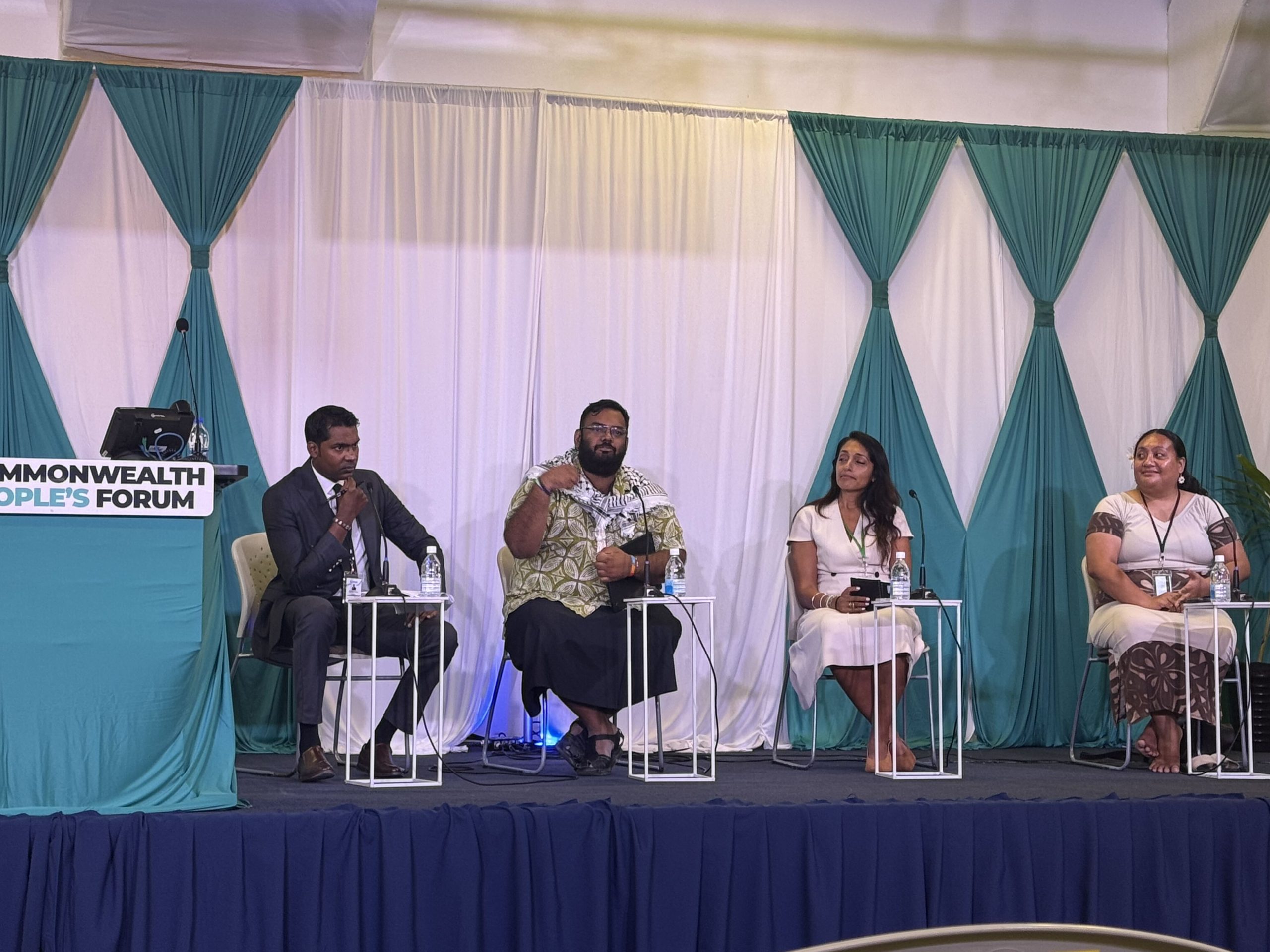
Panel:
- Dr. Christopher Fearne, MP (Minister for Foreign Affairs of Malta and Chair of the Commonwealth Ministerial Action Group, CMAG);
- Catherine Fife, MPP (Member of Provincial Parliament of Ontario and Chair of the Commonwealth Women Parliamentarians);
- Steven Thiru (President of the Commonwealth Lawyers Association);
- Mayor Bernard Wagner (Mayor of Belize City, representing the Commonwealth Local Government Forum); and
- Chris Elmore, MP (United Kingdom, Under-Secretary of State for the Americas, Multilateral Affairs and Human Rights)
Opening
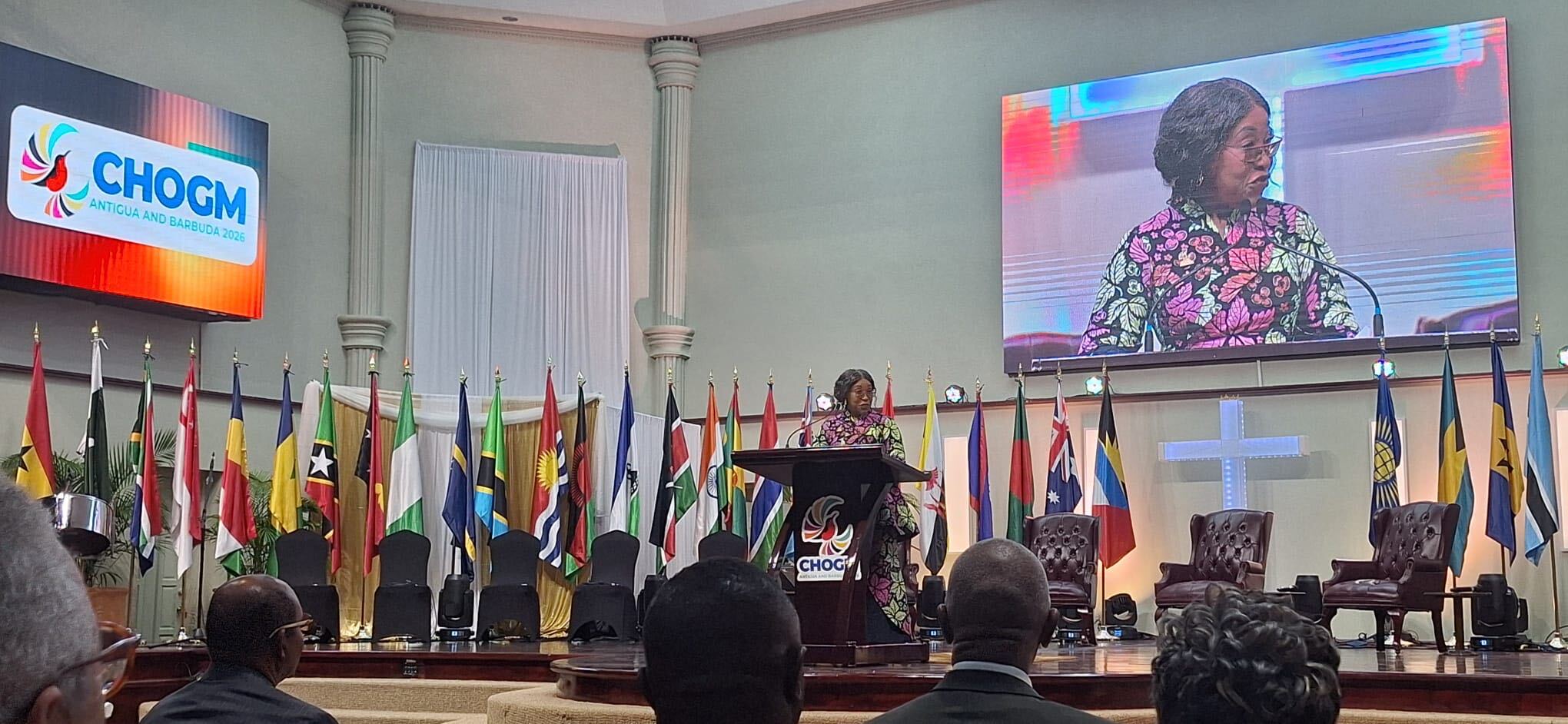
Opening remarks were delivered by Tanmaya Lai, Deputy Secretary General, Programmes, Commonwealth Secretariat. Grounding the session in the Commonwealth Charter’s opening words, “We, the people,” the address framed trust as “the most valuable currency in public life” — something institutions earn through fair decisions, openness to scrutiny, and the everyday experience of whether people can access services and influence decisions, rather than something owed to them for merely existing. It urged that those most affected by policy — women, young people, persons with disabilities, and other underserved groups — help shape it, and that the Nadi Declaration’s commitments on trust and participation now be turned into action.
Taking up the moderating chair, Hon. Alincia Williams Grant set the tone. Democracy, she observed, is too often spoken of as a permanent achievement, yet it is “neither self-sustaining nor guaranteed” and depends on vigilance, strong institutions, the rule of law, and the confidence and participation of the people it serves. Against a backdrop of pressure on judicial and parliamentary independence and declining public trust, she posed the question — how to make democracies resilient without compromising their core principles — and pressed the panel to move from declarations to demonstrable results.
The Moderated Discussion
Early warning signs, and how the Commonwealth responds.
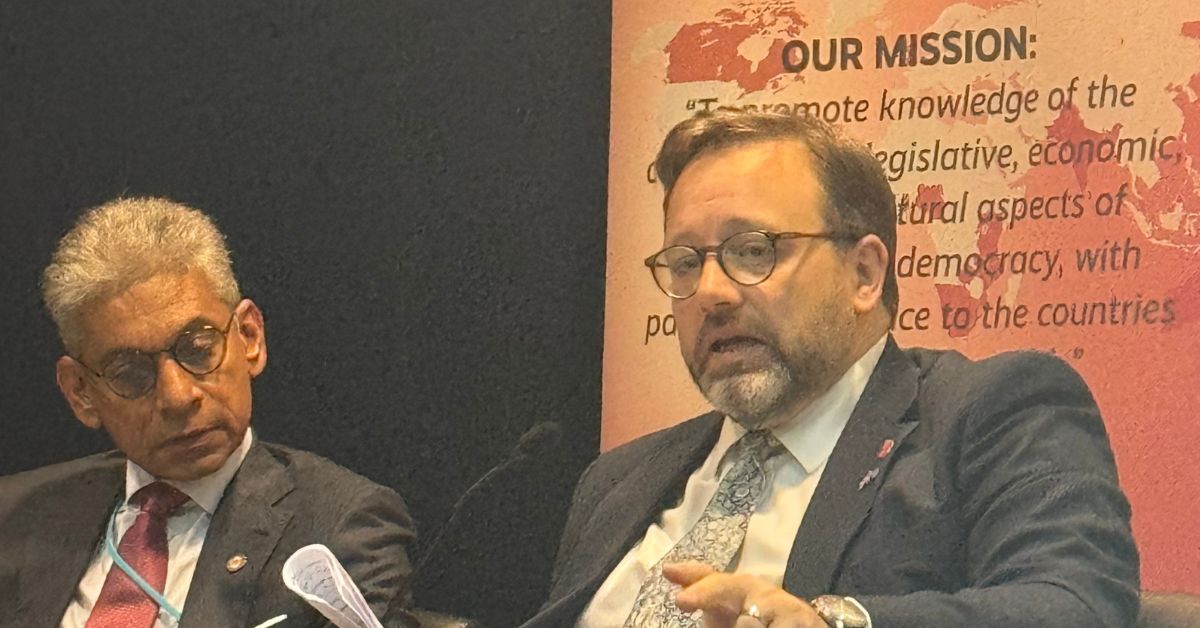
The moderator turned first to Hon. Dr. Christopher Fearne, MP, as Chair of CMAG. He described CMAG as the group of member states charged with holding the Commonwealth to the values of its Charter, democracy foremost among them, and set the work in a sobering global context: only about a quarter of the world’s population lives in a democracy, with the majority lacking any freedom to choose their government. He offered Gabon as a worked example of the machinery functioning: after the military coup of August 2023, CMAG suspended Gabon the following month, then engaged its authorities, opposition, and civil society to support a return to constitutional government; following elections, the suspension was lifted and — only that week — Gabon was taken off CMAG’s formal agenda and fully reintegrated. This, he said, is the answer to those who ask whether the Commonwealth is an outdated concept.
Turning the Nadi Declaration into cooperation. Asked how the Declaration becomes practical cooperation, Dr. Fearne placed trust at the centre — trust in institutions and in a civil society that is itself accountable and transparent. His principal warning was of “foreign information manipulation,” amplified by social media and AI, through which hostile actors seek to influence other countries, often using NGOs and civil society as vehicles; those bodies, like government, must therefore be transparent about their funding, because that is what allows communities to maintain trust.
The legal safeguards. The moderator next drew in Mr. Steven Thiru. The classic separation of powers, he argued, requires checks and balances that are real rather than merely formal, and the independence of the judiciary and the legal profession — the counterweight to an overweening executive — is under growing threat across the Commonwealth, whose 56 nations the CLA represents. Without that independence, he said, the independence of other institutions becomes illusory, leaving an executive free to act as it likes under the guise of democracy. He catalogued recent examples: the Maldives and Ghana; Zambia, where after contested elections the courts were cut off and labelled “a crime scene” and petitioners could not file in time; the president of the Tanzanian bar, threatened with disbarment weeks earlier for speaking up; and a Sri Lankan lawyer shot dead with his wife for doing his professional duty.
Pressed on what lawyers and bar associations can actually do, Mr. Thiru distinguished the baseline of public statements from being “boots on the ground” — litigation that secures adjudication before an independent court, and visible public advocacy, including bar associations marching to deliver a memorandum. His example was the CLA’s own response to a Sri Lankan constitutional amendment, made without consultation, to raise judges’ retirement age: the Association held watching briefs, applied for amicus status, and reported the proceedings publicly — work for which a Sri Lankan lawyer present had thanked him an hour before the panel. Those who stand up for institutional independence, he said, “will never be alone”.
Women’s representation. Turning to Hon. Catherine Fife, MPP, the moderator asked what parliaments should do to create pathways for women. Drawing on 13 years in the Ontario legislature, she said she had watched democratic backsliding in real time, with direct consequences for women, and argued that women’s pathways into leadership must be protected, supported, and institutionalised — with mentoring before and during office and women’s caucuses to build community — because inclusive lawmaking produces better laws and, with them, greater trust and engagement. Reduced scrutiny of legislation and curtailed public consultation, she warned, erode confidence. Asked how debates can reflect the experience of women and other underrepresented groups, she stressed the part male allies can play, and turned to safety: citing an Australian MP attacked two weeks earlier and research showing that between 60 and 80 percent of women in parliaments do not feel safe to speak or post online, she described a CPA toolkit, designed by women parliamentarians for women parliamentarians, due in December.
The local level. Bringing the discussion to the community, the moderator turned to Mayor Bernard Wagner. Democratic erosion, he said, is rarely sudden; democracy “weakens quietly and persistently when people stop believing that their voices matter,” and when public decisions go unexplained or institutions appear to serve everyone except the residents they exist for. Local government, he argued, is an indispensable partner in safeguarding democracy, and the Declaration’s call to make participation meaningful requires more than inviting people to speak — they must see their input reflected in decisions, which is what he tries to do daily in Belize City by staying accessible, listening, and explaining municipal choices.
Acting together. Asked how Commonwealth governments can defend democratic values while keeping constructive relationships, Hon. Chris Elmore, MP argued that members should be “friends that are able to challenge each other,” turning from declaration to implementation and learning from one another on democracy, media freedom, and women in public life. He announced that, the Prime Ministers of the United Kingdom and Australia had launched a new Commonwealth partnership on tackling hate and disinformation, and on helping people from underrepresented groups both to stand for and to remain in parliament. Asked what practical support members can offer one another, he drew on his years as an MP and councillor to argue that parliaments, local government, and devolved legislatures deliver democracy by scrutinising ministers and passing laws, and that forums such as the CPA let them do so collaboratively.
hid concluded that the world must stop treating the opinion as advice and start treating it as instruction, applying the Court’s words with precision, measuring every climate decision against the lives it is meant to protect, and listening to the young advocates who brought the case.
Closing
Invited to close, the panellists converged. Hon. Chris Elmore urged better scrutiny of legislation over “the social media clique,” and pointed to bodies such as the Westminster Foundation for Democracy, the Electoral Commission, and the Commonwealth that can give practical help to parliaments of every size. Mr. Steven Thiru reported that the CLA had issued a press statement after a prime minister’s attack on the judiciary, warned that a democracy which fails to protect the weakest is “a false democracy,” and cautioned that unchecked erosion breeds voter apathy no fine can cure — it is for leaders to return trust. Dr. Fearne, recalling a crowd drawn in by a single dancer, urged participants to be tough and brave, because individual voices make a difference. Hon. Catherine Fife, thanking the host-state advocate for their courage, said silencing an opposition member silences those they serve, and that the Declaration had been made stronger by the inclusion of voices of persons with disabilities — “a call to action, not just a debate”. Mayor Wagner closed on his theme: “democracy is local,” and must be meaningful, intentional, and lived beyond the ballot box
Lenny Rahman, CLA Council Member for Brunei