CLA News / Africa Legal Forum Plenary 3: Families, Property and Rights: Protecting Wealth and Human Dignity in a Changing Africa

Who counts as family when marriages cross borders, wealth spans jurisdictions and parents are separated by continents?
At the Africa Legal Forum, Plenary 3 tackled the complex realities of cross-border family law, exploring marriage, inheritance, child relocation and the enforcement of financial orders.
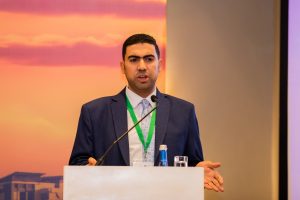
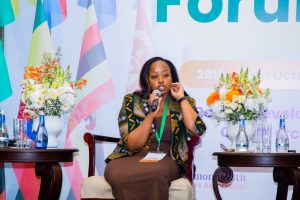
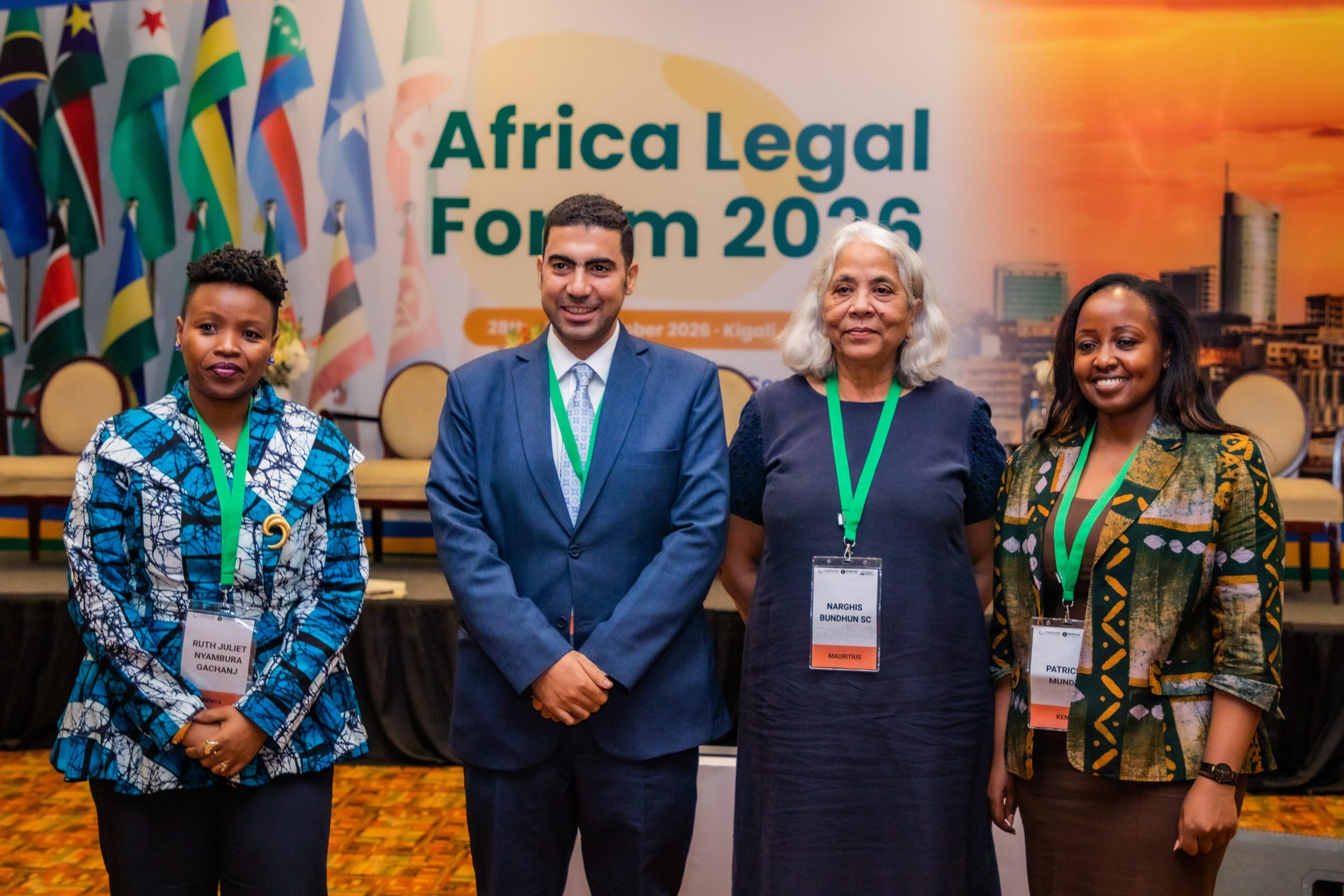
Chaired by Patricia Mundia, the session featured Mohamed Hasseneien and Narghis Bundhun SC, using two case studies to examine how conflicting legal frameworks affect families, property and fundamental rights.
Who counts as family — and who inherits?
The first case study centred on an Egyptian-born businessman who dies intestate, leaving customary and Islamic marriages, a cohabiting partner, four children and assets across Egypt, Mauritius and South Africa.
Mohamed Hasseneien examined how the recognition and proof of marriage can determine inheritance rights. Under the Egyptian legal framework he described, customary and religious marriages may be recognised, but the absence of official registration can make proving marital status more difficult. Cohabitation alone does not constitute marriage, although children born outside a recognised marriage may still have legal rights, including inheritance rights.
Hasseneien explained that Egyptian inheritance law incorporates mandatory Sharia-based rules treated as matters of public order. These prescribed shares cannot simply be overridden by a will. Lawful lifetime transfers may offer scope for wealth planning, but arrangements must comply with the applicable rules.
The takeaway: cross-border estate planning must account for mandatory succession laws, not simply where assets are held or how they are structured.
Relocation or abduction? The child’s best interests
The second case study examined a mother who moves from South Africa to Mauritius with her eight-year-old daughter after losing her job, seeking family support. The father challenges the move and seeks to enforce existing financial orders.
Narghis Bundhun SC explored the balance between a parent’s freedom of movement and the child’s best interests.
Drawing on Mauritian case law, including Mireille v Masson (1974) and Erisson v Lafine (2026), she explained that courts must assess the practical impact of relocation, including housing, schooling, financial stability, family support and arrangements for maintaining contact with the parent left behind.
Section 16 of Mauritius’s Children’s Act 2020, in force since 2022, requires prior written consent from the other parent for international relocation with a child or, where consent is unavailable, an application for court authorisation. Failure to comply can constitute an offence.
The panel also considered domestic violence allegations and the enforcement of foreign maintenance and property judgments. These matters require distinct legal assessments and, potentially, separate proceedings.
The principle is clear: a child’s best interests must be assessed against the evidence and the realities of the proposed move.
Justice across borders
Both scenarios highlighted the challenges of navigating different legal traditions, national laws and international obligations. They underlined the importance of effective judicial cooperation and informed legal advice when family relationships, children and assets span multiple jurisdictions.
The plenary reinforced a vital message: protecting wealth and upholding human dignity must go hand in hand. As families and assets increasingly cross borders, lawyers must navigate competing legal frameworks while safeguarding rights, protecting children and pursuing fair outcomes.