CLA News / Africa Legal Forum Session 4A: Beyond the Courtroom: The Rise of Alternative Dispute Resolution in Africa

Africa has a long history of resolving disputes beyond the courtroom. Today, traditional approaches are evolving alongside mediation, arbitration and restorative justice — creating new opportunities to strengthen access to justice and attract investment.
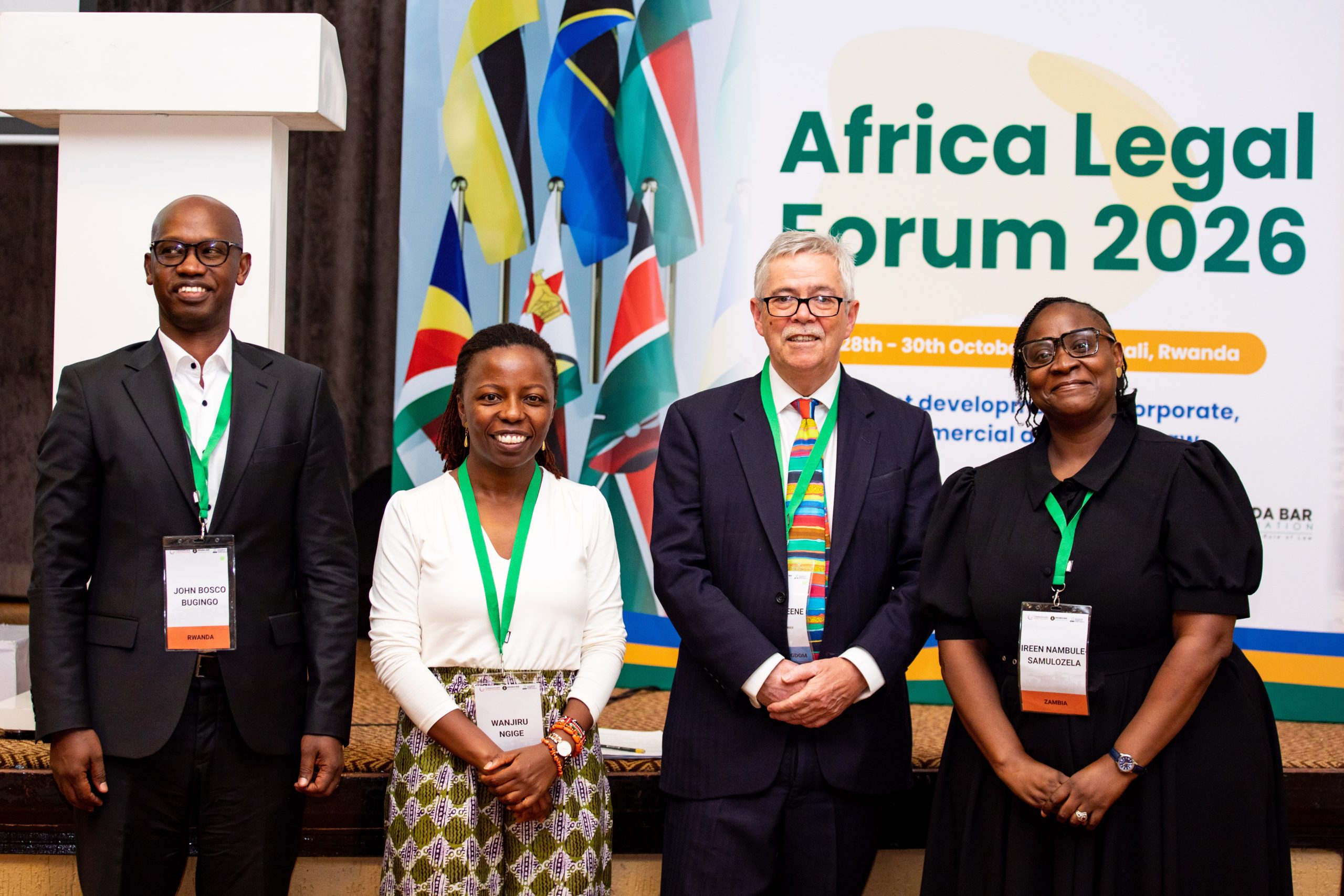
At the Africa Legal Forum 2026, David Greene chaired a discussion with Wanjiru Ngige, Ireen Nabule Samuloza and John Bosco Bugingo on how alternative dispute resolution (ADR) is developing across Africa, the challenges it faces and its potential to reshape dispute resolution.
Building on African traditions
ADR is not new to Africa. Long before formal court systems were introduced, communities relied on traditional leaders and customary practices to resolve disputes and maintain social harmony.
The challenge is how to build on these traditions while ensuring fairness, protecting rights and upholding the rule of law.
In Kenya, Wanjiru Ngige described the shift from a legal culture centred on litigation towards greater acceptance of mediation. Initially met with resistance from lawyers accustomed to the courtroom, mediation has since gained ground, including in certain family law matters. Kenya’s established arbitration infrastructure, including the Nairobi Centre for International Arbitration, further demonstrates the growing range of options available.
But progress looks different across the continent. Ireen Nabule Samuloza highlighted how informal, community-based mechanisms remain essential in rural Zambia, where access to formal courts can be limited. In urban areas, mediation, conciliation, negotiation and arbitration play a more prominent role.
Effective ADR must reflect local realities, not impose a single model on every community.
Customary law, rights and the rule of law
Traditional dispute resolution can improve accessibility, but what happens when customary practices conflict with constitutional rights?
Ngige highlighted the complexity of Kenya’s diverse customs and traditions, particularly where customary approaches may conflict with constitutional protections. Practices that seek to settle serious criminal matters outside the formal justice system, for example, raise fundamental questions about accountability and the rule of law.
Bugingo pointed to Rwanda’s constitutional framework, under which the Constitution takes precedence. Its experience demonstrates the importance of providing clear legal safeguards while recognising the value of culturally informed dispute resolution.
The panellists agreed that ADR should complement, not replace, the courts. The priority is to ensure that every mechanism offers fair processes and respects fundamental rights.
Trust, standards and party autonomy
As mediation expands, so does the need for clear standards and public confidence.
The discussion explored how to promote competent, impartial mediators without excluding traditional leaders whose experience is deeply rooted in their communities. Regulation must strike a careful balance: protecting users without undermining effective local practices.
The distinction between mediation and arbitration is equally important. Mediation enables parties to reach their own solution; arbitration places the decision in the hands of an arbitrator. Confidentiality, impartiality and trust are central to effective mediation.
Ngige noted that mediation can be particularly valuable in commercial disputes where parties have an ongoing relationship, such as supplier arrangements. By identifying shared interests, businesses may resolve disagreements while preserving valuable commercial ties.
Samuloza highlighted the role of lawyers in embedding ADR into commercial contracts through well-designed dispute resolution clauses. Zambia’s dedicated mediation initiatives also demonstrate how focused judicial programmes can help parties resolve disputes and ease pressure on court systems.
From access to justice to investment
ADR is not simply a matter for lawyers. It has wider economic implications.
Businesses and investors need confidence that disputes will be resolved fairly, efficiently and reliably. Strong mediation and arbitration frameworks can help build that confidence, reduce the burden of prolonged litigation and support commercial relationships.
Bugingo also highlighted Rwanda’s experience with restorative justice in criminal matters, including victim-offender mediation where appropriate. Such approaches can promote accountability and reconciliation while supporting efforts to reduce prison overcrowding.
In commercial projects, including construction, early dispute resolution mechanisms can also help parties address problems before they escalate into costly delays.
Yet having ADR mechanisms on paper is not enough. Their credibility depends on quality, fairness, accessibility and effective legal safeguards.
The way forward
The panel’s message was clear: Africa is building on a rich history of dispute resolution while developing modern approaches suited to today’s legal and commercial challenges.
The opportunity lies in connecting traditional knowledge with robust institutions, appropriate professional standards and constitutional protections.
The question is not whether Africa can resolve disputes beyond the courtroom. It is how to make those solutions trusted, accessible and effective — for communities, businesses and the wider pursuit of justice.
The Commonwealth Lawyers Association remains committed to strengthening the rule of law, advancing access to justice and supporting a resilient legal profession across the Commonwealth.