CLA News / CHOGM 2026 A Shared Legal Heritage, a Stronger Rule of Law: Foundations for a Resilient Energy Future

by Steven Thiru, President, Commonwealth Lawyers Association
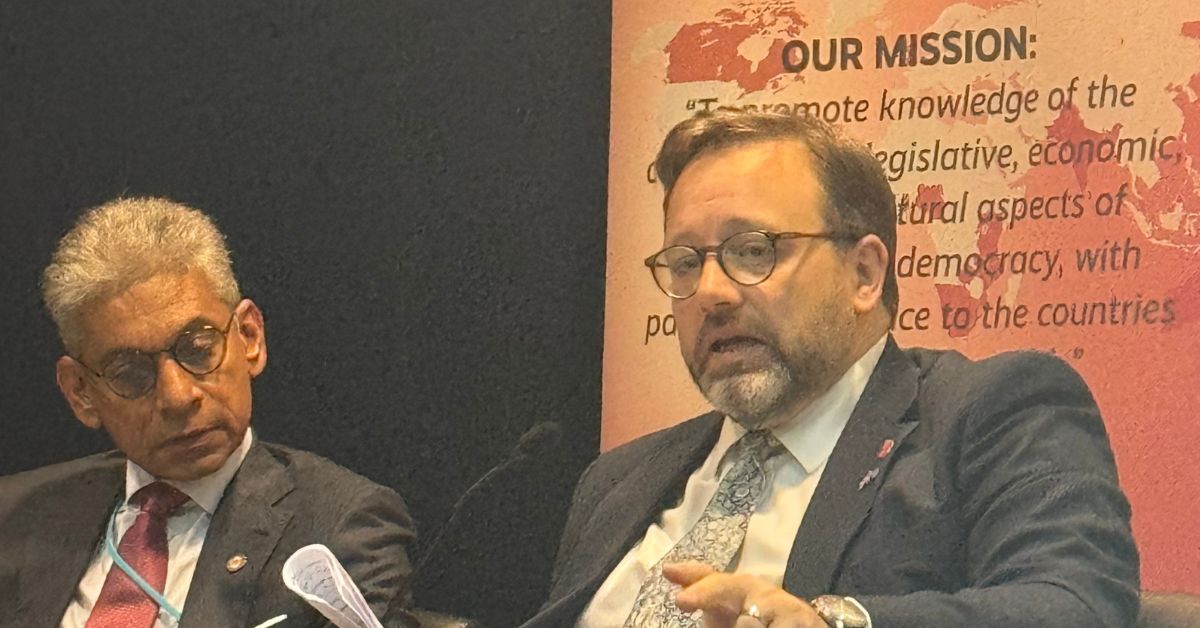
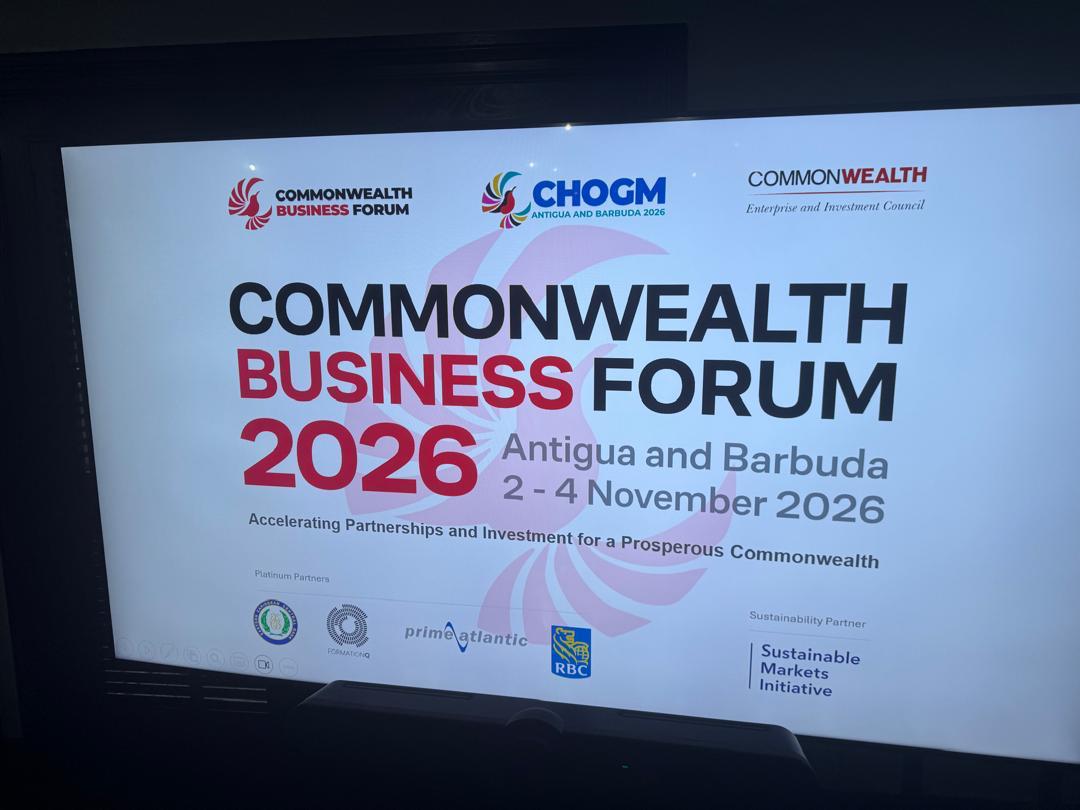
This is an updated version of the speaking notes for the remarks by CLA President Steven Thiru at the Energy Security and Strategic Infrastructure roundtable discussion on 2 November 2026, during the Commonwealth Business Forum 2026 held from 2 to 4 November 2026 in Antigua and Barbuda.
The Rule of Law as a Foundation for Investment
Strategic infrastructure and energy projects require multi-billion-dollar, multi-decade capital commitments. International investors are unlikely to deploy capital into jurisdictions where contract enforcement is slow or hampered by local judicial backlogs. A predictable, efficient legal system, underpinned by established jurisprudential principles, procedural fairness, and institutional familiarity, can substantially reduce transaction costs and regulatory risk across member nations.
A reliable legal system requires an independent bar and judiciary. An independent, impartial, and competent judiciary is a domestic guarantor of commercial stability, property rights, and contract enforcement in major energy projects. Rooted in the Commonwealth (Latimer House) Principles on the Three Branches of Government (‘Latimer House Principles’) and the Commonwealth Charter, the judiciary must remain insulated from executive pressure, political reprisal, and arbitrary removal. The CLA actively promotes institutional governance models, notably the Commonwealth Bar Leaders Declaration on Preserving and Strengthening the Independence of the Judiciary and on Ensuring the Independence of the Legal Profession, known as the Goa Declaration.
In addition to the judiciary, bar associations and law societies must remain strictly self-governing and financially autonomous, ensuring lawyers can advise commercial investors and challenge state overreach without fear of regulatory retaliation. On 19 January 2026, the CLA issued its Declaration on the Adoption and Promotion of the Luxembourg Convention on the Protection of Lawyers, formally endorsing the treaty and advocating its adoption as the new international gold standard for the protection of lawyers and their associations across the Commonwealth.
A Robust Ecosystem for Fair Contracts and Effective Dispute Resolution
When we turn to project delivery and financial close, the linchpin is often the Power Purchase Agreement (‘PPA’), the 15- to 25-year contract that determines whether an energy project generates sufficient revenue to service its debt. Yet here, I will be candid: the legal profession is part of the problem. Bespoke deals can take years to negotiate, generate punishing legal fees, and frequently create a stark imbalance. Smaller member states often find themselves sitting opposite international project counsel with only two or three government lawyers, who are simultaneously managing every other portfolio. An agreement that one party does not fully understand or has little leverage to shape is unlikely to endure — and can lead to political friction, renegotiation, or default, to everyone’s detriment.
The solution lies in standardisation and practical solidarity. Standardised, model PPAs, covering balanced terms for tariffs, curtailment risk, force majeure, and termination, allow developers to negotiate project-specific variables rather than reinventing the entire wheel. We saw how South Africa’s Renewable Energy Independent Power Producer Procurement Programme (REIPPPP) mobilised projects rapidly through standard contracts, an approach also reflected in template PPAs published by the World Bank and Power Africa. Given the shared common-law heritage of many Commonwealth nations and the existing frameworks for reciprocal enforcement of judgments in some jurisdictions, there is scope to adapt and deploy harmonised templates across borders far more naturally than other regional groupings. Fair deals are more likely to endure, and fairness requires both sides of the table to be properly advised.
Equally critical is a modern dispute resolution architecture. A world-class Alternative Dispute Resolution (‘ADR’) ecosystem is not merely a procedural alternative to public court systems; it is an important pillar of economic resilience, investment security, and sovereign bankability. By establishing a robust, multi-tiered ADR framework that integrates expert technical dispute boards, commercial mediation, and international arbitration, Commonwealth nations can help de-risk projects and compress dispute resolution timelines.
The United Nations Convention on the Recognition and Enforcement of Foreign Arbitral Awards, commonly known as the New York Convention of 1958, is a foundational international treaty that obligates contracting states to recognise and enforce private arbitration agreements and foreign arbitral awards, subject to its provisions.
The United Nations Convention on International Settlement Agreements Resulting from Mediation, referred to as the Singapore Convention on Mediation, is a structural game-changer for international commerce. By enabling direct, cross-border court enforcement of mediated settlement agreements without relitigating the underlying breach, it offers parties a potentially more rapid, confidential, and cost-effective exit ramp from commercial deadlocks.
Through its ADR Committee, the CLA has urged Commonwealth Members to ratify the Singapore Convention on Mediation to stimulate trade and cross-border investment.
Environmental Justice, Community Rights, and Public Participation
Energy security cannot be achieved through ecological devastation or the disenfranchisement of Indigenous populations. When resource exploitation proceeds without adequate environmental scrutiny or due regard for customary land tenure, it can generate severe legal exposure and put projects at risk. A few notable cases illustrate this point:
1) Santos NA Barossa Pty Ltd v Tipakalippa [2022] FCAFC 193 (Australia): The Federal Court quashed regulatory drilling approvals because Santos had failed to meaningfully consult the Munupi clan of the Tiwi Islands, holding that Indigenous spiritual and ancestral connections to ‘Sea Country’ constitute legally protected interests.
2) Sustaining the Wild Coast NPC and Others v Minister of Mineral Resources and Energy and Others; Natural Justice and Another v Minister of Mineral Resources and Energy and Others [2026] ZACC 33 (South Africa): The Constitutional Court permanently terminated Shell’s exploration rights, ruling that the failure to consult local coastal Indigenous communities infringed their constitutional rights to culture, food, and spiritual ocean practices, affirming that energy exploration must account for climate impacts and community rights.
3) Tsleil-Waututh Nation v Canada (Attorney General) 2018 FCA 153 (Canada): This case concerned federal approval of the Trans Mountain Pipeline Expansion (‘TMX’) carrying bitumen to the Pacific coast. The Federal Court of Appeal quashed the federal cabinet project approval because the Crown conducted superficial, ‘note-taking’ consultations rather than meaningful, two-way dialogue with Indigenous groups regarding marine environmental degradation and the project’s potential adverse impacts on their rights and interests.
While access to the courts is essential to protecting environmental and community rights, legal processes can also be misused to intimidate those who seek to defend those rights. This brings us to the phenomenon of Strategic Lawsuits Against Public Participation (‘SLAPPs’).
SLAPPs are abusive legal actions brought by powerful corporations or individuals, often leveraging torts such as defamation, commercial disparagement, or unlawful interference with economic interests, not primarily to vindicate legitimate legal claims, but to intimidate, exhaust, and financially burden public-interest advocates, Indigenous leaders, civil society organisations, and other whistleblowers who engage in matters of public concern.
Such actions undermine the principles reflected in the Sabah Declaration on Climate Justice, including the protection of freedom of expression and peaceful protest in support of climate action. The legal profession must actively resist the weaponisation of civil procedure to deter legitimate climate advocacy. Commonwealth Member States should consider introducing robust anti-SLAPP safeguards, including mechanisms for the early dismissal of abusive claims.
A Shared Legal Heritage, A Common Responsibility
Ultimately, capital will always seek certainty, but lasting certainty cannot be bought through aggressive terms or one-sided concessions. Real, bankable resilience is built upon the quiet plumbing of our shared legal systems, independent regulators able to resist political interference, impartial judiciaries grounded in the Latimer House Principles, and contracts that genuinely protect public trust and local communities from day one. If the energy transition is to succeed across our Member States, we must recognise that a sound legal framework is not an administrative hurdle to be bypassed; it is the fundamental strategic infrastructure that enables multi-decade capital commitments to endure.
We possess an extraordinary common legal heritage that most global groupings would envy. The challenge before this room is not merely how quickly we can execute deals, but whether we have the collective discipline to use standardisation, mutual enforcement, and balanced negotiation to get them right the first time.
I leave you with this question: how do we harness this common heritage to ensure that the energy transition is not only commercially viable today, but demonstrably fair and durable for the communities who must live alongside these projects long after the financing has been repaid?
Steven Thiru
President
Commonwealth Lawyers Association
2 November 2026
Steven Thiru records his appreciation to Jaishanker Sadananda and Chin Oy Sim for their assistance in preparing these speaking notes.